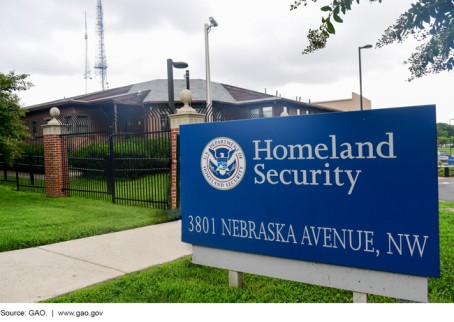
The United States government has announced it will terminate temporary protected status (TPS) for South Sudanese nationals, ending more than a decade of legal protection for the group.
According to a notice from the Department of Homeland Security (DHS) published Wednesday, affected individuals will have 60 days to leave the country before deportation begins in early January.
TPS is a humanitarian program under U.S. law that shields foreign nationals from deportation and allows them to work legally if their home countries are experiencing armed conflict, natural disasters, or other extraordinary conditions.
South Sudanese nationals were granted this protection after years of violent unrest that followed the country’s independence in 2011.
South Sudan has suffered repeated periods of instability, including a civil war between 2013 and 2018, which killed an estimated 400,000 people.
Despite a peace agreement, the nation continues to face severe humanitarian challenges.
A UN-backed hunger monitoring body reported this week that food insecurity and malnutrition remain extremely high across the country.
In its notice, DHS said that South Sudan no longer meets the requirements for TPS, which has benefitted roughly 232 South Sudanese nationals, while 73 applications are still under review.
This decision is part of a wider effort by the Trump administration to reduce the number of migrants living in the United States under temporary protection.
President Trump has sought to end TPS for nationals of multiple countries, including Syria, Venezuela, Haiti, Cuba, and Nicaragua, as part of his broader immigration policy under the “America First” framework.
Some of these decisions are facing legal challenges in U.S. courts.
Separately, the administration has also lowered the annual ceiling for refugee admissions to historic lows, further reducing avenues for legal entry for vulnerable populations.
The termination of TPS for South Sudanese nationals underscores the administration’s ongoing shift away from humanitarian protections for migrants who have lived in the U.S. for years, many of whom have built lives, families, and communities under the program.
The DHS notice signals that South Sudanese individuals will have to make immediate arrangements to leave the country or face deportation starting in January.